
A Dermatology Clinic’s Guide to Caring for the Skin You Live In
Your skin is the largest organ in your body—yet most people only think about facial skincare. In reality, your arms, legs, scalp, back, chest, abdomen, hands, and feet need attention, too. And with misinformation everywhere, getting back to the basics of whole-body skin health is long overdue.
This guide breaks down what truly matters: proper cleansing, moisturizing, exfoliating, sun protection, and everyday habits that impact your skin from the inside out.
1. Cleansing: It’s Not Just About the Face

Face Cleansing
Your face should be cleansed once or twice daily with a gentle, pH-balanced cleanser.
Avoid over-washing, as it strips the skin barrier and causes dryness or breakouts.
Body Cleansing
Most people only need to use body wash on:
-
Underarms
-
Groin
-
Feet
-
Areas that sweat heavily or produce odor
Over-cleansing the arms, legs, and torso can lead to dry, itchy skin, unless you need to wash away sweat & dirt, such as going to the gym or working outside.
Choose:
-
Gentle, fragrance-free products
-
Cream or gel washes (especially in winter)
Avoid:
-
Harsh scrubs
-
Strong fragrances
-
Antibacterial soaps (unless medically needed)
2. Scalp Care: The Forgotten Skin
Your scalp is skin, and it deserves the same thoughtful care as your face.

Proper Cleansing
Shampooing frequency depends on your hair and scalp type:
-
Oily scalps: every 1–2 days
-
Dry or textured hair: every 3–5 days
-
Dandruff/flake-prone scalps: use medicated shampoos regularly
Use your fingertips (not nails) to gently cleanse the scalp, or purchase a shampoo brush.
Common Scalp Issues
We frequently treat:
-
Dandruff/seborrheic dermatitis
-
Psoriasis
-
Folliculitis
-
Excess oil production
-
Dry, flaky scalp
-
Hair shedding or thinning
If you’re experiencing persistent flakes, itching, or hair loss, see a dermatologist—it’s often highly treatable.
Avoid Overwashing & Overstyling
Too much washing strips natural oils; too much product buildup suffocates follicles.
Balance is key.
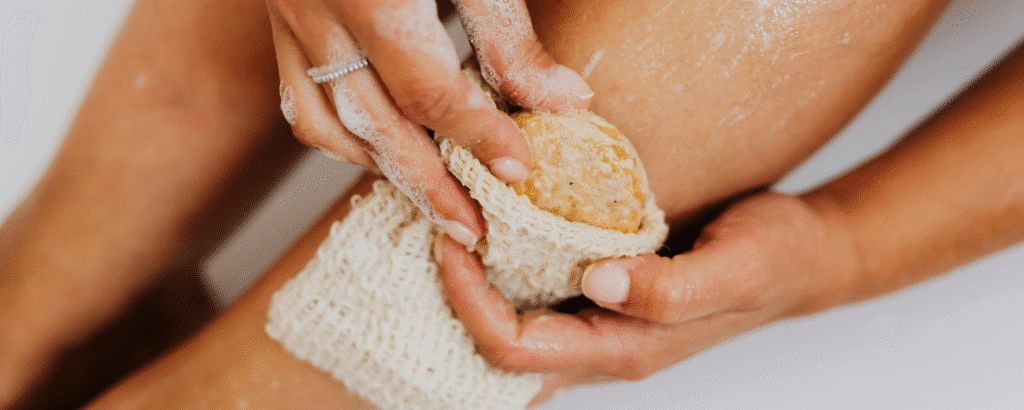
3. Smart Exfoliation for Face & Body
Exfoliation helps remove dead skin cells, but it’s easy to overdo.
Face
1–3× per week is enough, depending on your skin type.
Body
Your arms, legs, and torso can tolerate exfoliation a bit more, but still:
1–2× per week is usually plenty.
Options include:
-
Chemical exfoliants: AHAs, BHAs, lactic acid, glycolic acid
-
Physical exfoliants: soft cloths or very gentle scrubs
Avoid:
-
Rough loofahs
-
Aggressive scrubbing gloves
-
DIY “natural” scrubs with coffee grounds, sugar, sea salt (too abrasive)
- Cleansing “grains” or peel-off masks
Your skin should never feel raw, tight, or burn after exfoliating.
3. Moisturizing: For the Face and Body
Hydrated skin is healthy skin. Moisturizing keeps your skin barrier intact, which reduces irritation, dryness, and premature aging.

Face Moisturizers
Look for:
-
Ceramides
-
Hyaluronic acid
-
Glycerin
-
Squalane
-
Peptides
Body Moisturizers
Apply immediately after bathing, while the skin is still slightly damp.
Best ingredients include:
-
Shea butter
-
Ceramides
-
Urea (great for rough and bumpy skin or those with keratosis pilaris)
-
Cocoa butter
-
Purified petrolatum-based moisturizers for very dry skin
Tip: In winter, switch to thicker creams or ointments.
4. Sun Protection Everywhere (Not Just the Face)
Sun protection is the #1 way to keep your skin healthy long-term.
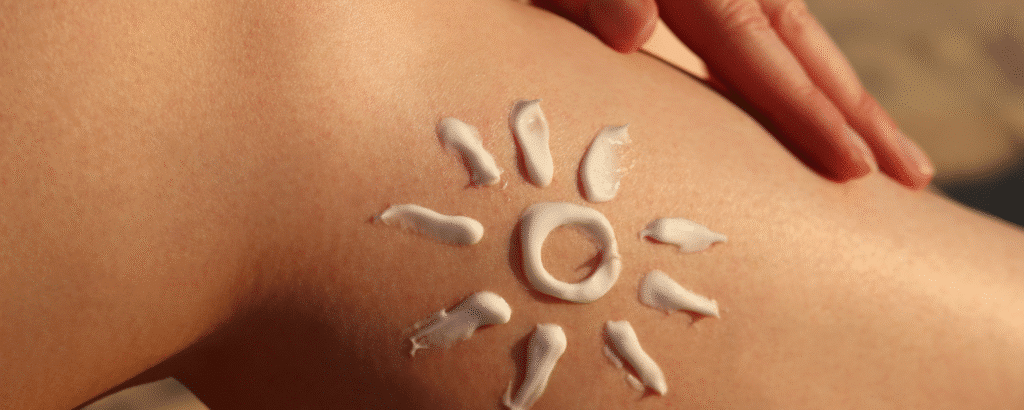
Use SPF 30+ on:
-
Face
-
Neck
-
Chest
-
Shoulders
-
Arms
-
Legs
-
Ears
-
Hands
-
Scalp (spray SPF or wear a hat)
Damage doesn’t only happen at the beach—it accumulates daily during errands, driving, walking the dog, or sitting near windows.
Skin Cancer Risks
UV exposure is responsible for:
-
Most cases of melanoma and other types, such as basal cell and squamous cell carcinoma
-
Premature aging
-
Sunspots
-
Actinic keratoses / precancerous lesions
-
Immune system suppression in the skin
Wear SPF daily, reapply outdoors, and see a dermatologist yearly for mole checks.
5. Lifestyle & Diet: Skin Health Starts Inside

Your daily habits show up on your skin—good or bad. Here are major factors:
Hydration
Water supports skin elasticity and helps your natural repair processes.
Diet
Foods that support healthy skin include:
-
Fruits & vegetables rich in antioxidants
-
Omega-3 fatty acids (salmon, walnuts, chia)
-
Healthy fats like olive oil and avocado
-
Zinc & vitamin-rich foods (leafy greens, beans, seeds)
Limit:
-
Excess sugar
-
Ultra-processed foods
-
High alcohol intake
-
Dairy (for some acne-prone individuals)
Sleep
During sleep, your skin repairs itself.
Aim for 7–9 hours daily.
Stress
Chronic stress can trigger:
-
Acne
- Rosacea
-
Eczema flares
- Hives
-
Psoriasis flares
-
Premature aging
Incorporate stress-management habits where possible.
Hygiene Habits
Small changes make a big difference:
-
Change pillowcases frequently
- Opt for silk or satin pillowcases to help prevent hair breakage
-
Clean makeup brushes
-
Wash gym clothes promptly
-
Avoid sharing towels
-
Shower soon after sweating
6. When Your Skin Is Trying to Tell You Something

If you experience any of the following, it’s time to see derm:
-
Persistent itching
-
Chronic dryness
-
New or changing moles
-
Frequent rashes
-
Painful cystic acne
-
Scaly patches
-
Unexplained bruising
-
Anything worsening despite good care
Early evaluation prevents small issues from growing into bigger ones.
Bringing It All Together
Your skin covers your entire body, and caring for it shouldn’t be complicated.
The fundamentals will always matter most:
-
Gentle cleansing
-
Smart exfoliation
-
Daily moisture
-
Daily sun protection
-
Healthy lifestyle habits
-
Awareness of concerning skin changes
Simple. Science-based. Sustainable.
Schedule your visit with us today by calling (815) 229-9333. We’re here to help.